I’ve been involved in real estate in Detroit for a long time. Long enough that I’ve seen just about every situation you can imagine around inherited houses.
On paper, the process sounds simple. Someone passes away. The family inherits the home. The house gets sold and the proceeds are split.
That’s the version you’ll read in most articles.
The reality is usually very different.
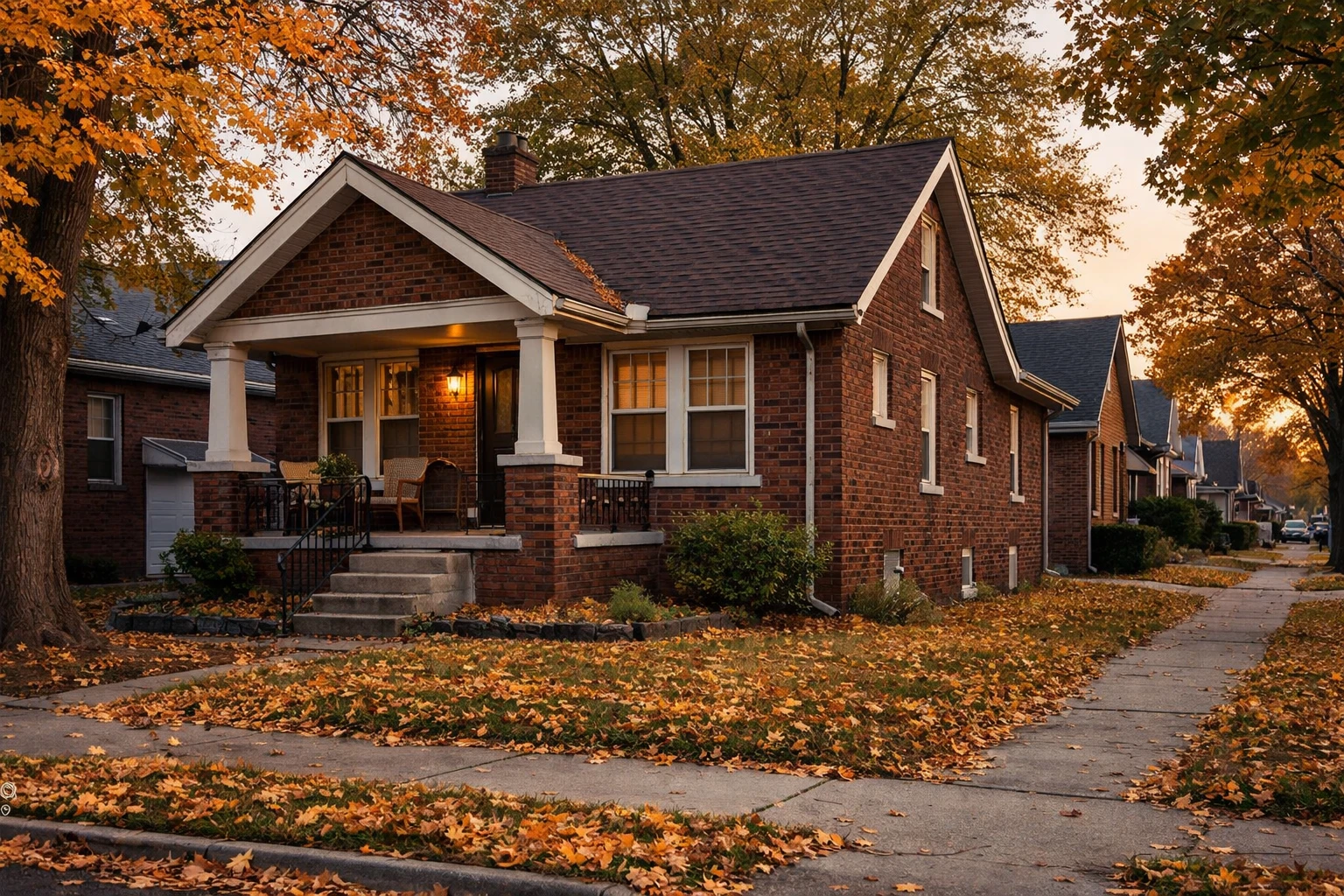
Over the years I’ve walked through hundreds of inherited properties across Detroit — from brick bungalows in East English Village to old family homes in Rosedale Park and the west side neighborhoods where the same family had lived for fifty years or more. What you quickly learn is that the house is rarely the hard part.
It’s everything around it.
The emotions, the paperwork, the family dynamics, and sometimes the simple fact that nobody involved really knows what happens next.
This isn’t a how-to guide. There are plenty of those online. Instead, these are some of the things people rarely talk about when a family inherits a house in Detroit.
The House Is Often Frozen in Time
One of the first things that strikes you when you walk into an inherited home is how much of life is still there.
Closets full of clothes. Kitchen drawers packed with utensils. Photo albums stacked in a hallway closet. Sometimes the calendar on the wall is still flipped to the month the person passed away.
You realize pretty quickly that this wasn’t just a property. It was someone’s life.
Many families underestimate how emotionally difficult it is to go through everything. Sorting belongings can take weeks or months, especially when siblings live out of state and can only come in for short visits.
I’ve seen families start the process with good intentions — “We’ll clean it out this weekend.” Then the weekend comes, and the reality hits. Every item has a story. Every drawer opens another chapter.
The cleanup becomes the first unexpected hurdle.
Why Do Siblings Disagree When Selling an Inherited House?
If there’s one thing that surprises people the most, it’s how differently siblings view the same house.
One sibling may want to keep it in the family. Another wants to renovate it. A third just wants the situation resolved so everyone can move forward.
None of those positions are wrong. But they rarely line up.
Sometimes the house carries very different emotional weight for each person. One sibling may have lived there for years caring for a parent. Another may have moved away decades ago and feels less connected to the property.
The result is a lot of conversations that don’t always go smoothly.
I’ve watched families sit around a kitchen table and realize they’re having completely different conversations. One person is talking about memories. Another is talking about repairs. Someone else is talking about how quickly the estate needs to be settled.
The house becomes the focal point for all of that tension.
The Condition of the House Is Often a Surprise
Many inherited homes in Detroit haven’t been updated in decades.
Parents or grandparents often stayed in the home long after major maintenance stopped making sense financially or physically. Roofs age. Plumbing gets patched instead of replaced. Electrical systems remain exactly as they were when the house was built.
To the family, the house may still feel “normal” because it’s familiar.
To the outside world, it may need significant work.
It’s common for families to walk through the house together and realize that bringing it to market condition would require a major renovation. Kitchens from the 1970s. Bathrooms that haven’t changed since the 1950s. Foundations that need attention.
None of this means the house is unsellable. But it does change the conversation about what happens next.
How Does Wayne County Probate Affect Selling an Inherited House?
Another thing people don’t expect is how long probate can take.
In Wayne County, probate is a structured legal process, but it doesn’t always move quickly. Paperwork has to be filed. An executor or personal representative must be appointed. Creditors are given time to make claims against the estate.
During that time, the house sits in a kind of legal limbo.
Families sometimes assume they can immediately sell the property once someone passes away. In reality, the authority to sell the house usually depends on what the will says and how the probate court proceeds.
Sometimes the process is straightforward. Other times it takes months before everything is legally clear.
And while that’s happening, the house still exists in the real world. Property taxes continue. Insurance needs to be maintained. Utilities may need to stay on to prevent damage during winter.
These practical details often catch families off guard.
The Neighborhood Has Probably Changed
Many inherited houses in Detroit were purchased decades ago, often during a completely different chapter in the city’s history.
The neighborhood someone remembers from childhood may not be the same one that exists today.
Sometimes that change is positive. Areas that struggled for years may now have renovation activity and new investment.
Other times the shift has gone in the opposite direction, and the market reality is different than what the family expected.
This can create a moment of recalibration.
Families may walk into the process with a number in mind based on memory or hope. Then they start looking at comparable sales and realize the market operates on its own rules.
It’s not emotional. It’s simply the way real estate works.
Vacant Houses Create Their Own Problems
Once a house becomes vacant, time starts working against it.
Detroit weather alone can create issues. Winter pipes freeze if heat isn’t maintained. Small roof leaks become bigger ones. A simple maintenance problem can escalate quickly if no one is checking on the property regularly.
Vacant homes can also attract attention.
Neighbors notice when a house sits empty for months. Sometimes that attention is helpful — neighbors keeping an eye on things. Other times it means curiosity from people passing by who realize no one is living there.
Families who live out of state often feel this pressure more intensely. Managing a vacant property from hundreds of miles away isn’t easy.
The Personal Representative Carries a Lot of Responsibility
Every estate usually has one person responsible for handling the process.
In probate terms, that person is the personal representative or executor.
In practical terms, they’re the one answering everyone’s questions.
They’re coordinating paperwork with the court. Communicating with siblings. Handling the logistics of the property. Making decisions about repairs, insurance, and timing.
It’s a role that can feel heavier than people expect.
Often the person didn’t volunteer for it. They were simply named in the will or became the logical choice because they live closest to the property.
The responsibility can last months or longer.
Not Every Family Wants the Same Outcome
Some families genuinely want to keep the house.
It may have been the place where holidays happened for forty years. The thought of selling it feels like closing a chapter of family history.
Other families take a more practical approach. The house served its purpose, and selling it allows everyone to move forward.
Both perspectives are understandable.
The challenge comes when different family members hold different views. That’s where the difficult conversations tend to happen.
Sometimes families work through it smoothly. Other times the process takes longer because everyone needs time to reach the same conclusion.
Detroit Has a Unique Housing Mix
Detroit housing stock is different than many other cities.
There are solid brick homes that have stood for nearly a century. There are also properties that have seen decades of deferred maintenance. Some neighborhoods have strong resale markets. Others move at a slower pace.
Inherited homes fall somewhere along that spectrum.
Some properties need only light cosmetic updates. Others require significant renovation before a traditional buyer would consider them.
Understanding where a property fits in that range is one of the first practical steps families face.
Most Families Are Doing This for the First Time
One thing I’ve noticed repeatedly is that most people dealing with an inherited house have never done it before.
They’re learning the process while going through it.
They’re figuring out probate terminology, trying to understand market values, and navigating family conversations all at the same time.
That’s a lot to absorb.
Many families spend the first few weeks simply trying to understand what options exist. Only after that do they begin making decisions about timing or strategy.
If you or someone you know would like a more detailed breakdown of the practical options families consider when dealing with inherited property, I’ve outlined them in a guide about selling an inherited house in Michigan.
But even the best guides can’t fully capture the human side of the situation.
The Emotional Chapter Matters More Than the Real Estate
When everything is finished — the belongings sorted, the paperwork completed, the house sold — most families remember the experience less as a real estate transaction and more as a closing chapter.
The house represented a life.
It represented years of memories, routines, and family gatherings.
Selling the property often becomes the final step in a longer process of saying goodbye.
That part doesn’t show up in most real estate articles. But it’s the reality that families experience.
After seeing hundreds of inherited house situations unfold across Detroit, that’s the lesson that stands out the most.
The legal process, the property condition, and the market value all matter. But the story behind the house is what shapes the experience for the people involved.
And every house has one.
Dennis Fassett has been purchasing and evaluating residential properties across Detroit and Southeast Michigan since 2004, including many inherited homes and probate situations throughout Wayne County.